
Do You Need a Permit for a Dumpster in North Florida?
If you are planning to rent a dumpster for a cleanout, renovation, roofing job, property turnover, or construction project, one question that may come up is: do I need a permit for a dumpster?
The answer depends on where the dumpster will be placed.
In many cases, if the dumpster is placed on private property, such as a driveway, jobsite, or approved commercial property, a permit may not be needed. However, if the dumpster needs to be placed on a street, sidewalk, public right-of-way, HOA-controlled area, or shared commercial space, you may need approval before delivery.
At Trash Help North Florida, we help customers think through placement before the dumpster arrives so the delivery process is smooth, safe, and simple.
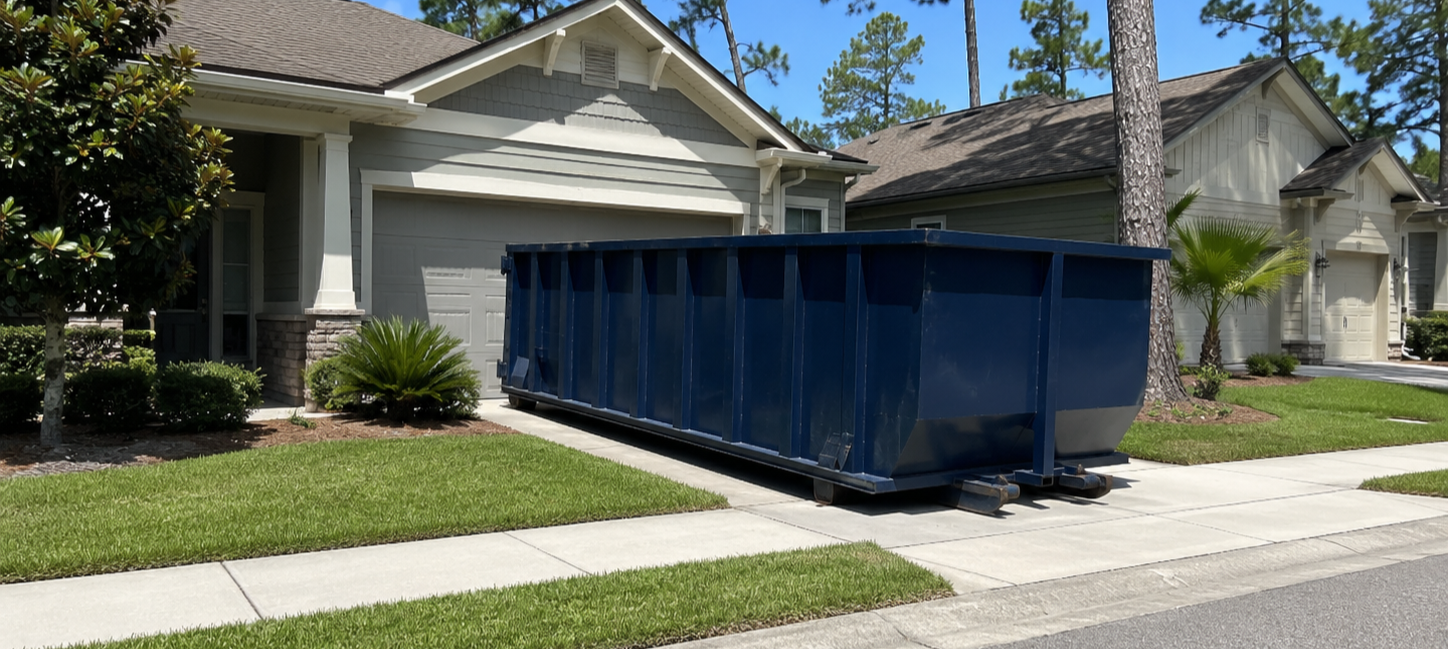
When Do You Usually Need a Dumpster Permit?
A dumpster permit may be required when the dumpster is placed somewhere that is not fully private property.
This may include:
Public streets
Sidewalks
Alleys
Public right-of-way areas
Shared parking areas
HOA-managed communities
Apartment complexes
Commercial properties with property management rules
Construction sites with local permit requirements
Rules may vary depending on the city, county, HOA, property manager, or project type. Because of that, it is always best to check before scheduling if the dumpster will not be placed on private property.
Do You Need a Permit for a Dumpster in Your Driveway?
In many cases, a dumpster placed in a private driveway does not require a permit.
Driveway placement is usually one of the easiest options because the dumpster stays on your property and does not block public access. This is a common choice for homeowners doing garage cleanouts, remodeling projects, yard debris removal, moving cleanouts, and general household junk removal.
However, you should still consider a few things before delivery:
Is there enough room for the truck?
Is the driveway surface stable?
Are there low branches or wires?
Will the dumpster block another vehicle?
Does your HOA have rules about dumpsters?
Is there enough clearance for pickup?
If you are unsure, send us a photo of your driveway before scheduling. We can help determine whether the placement area looks workable.
Can a Dumpster Be Placed on the Street?
A dumpster can sometimes be placed on the street, but this often depends on local rules.
Street placement may require approval from the city, county, or local authority because the dumpster may affect traffic, parking, drainage, public access, or safety.
If you need street placement, check with your local city or county office before booking. Some areas may require a temporary right-of-way permit or may not allow dumpsters on the street at all.
If street placement is approved, make sure the location is safe, visible, and accessible for delivery and pickup.
Do HOAs Allow Dumpsters?
Some HOAs allow dumpsters, while others have strict rules about placement, rental duration, size, and visibility.
If you live in an HOA community, check the community rules before scheduling delivery. Your HOA may require approval, limit how long the dumpster can remain on-site, or require the dumpster to be placed in a specific area.
Common HOA rules may include:
Prior approval before delivery
Time limits on how long the dumpster can stay
Restrictions on street placement
Requirements to keep the dumpster in the driveway
Rules about appearance or screening
Limits on noise or work hours
Checking first can help avoid complaints, fines, or having to relocate the dumpster.
What About Commercial Properties?
Commercial properties may have their own rules for dumpster placement.
If you are renting a dumpster for a retail center, office property, restaurant, warehouse, apartment complex, or managed commercial site, you may need approval from the property owner or manager.
Commercial placement should consider:
Customer parking
Delivery truck access
Fire lanes
Loading zones
Tenant access
Waste enclosure areas
Property management rules
Safety and visibility
If you are a contractor working on a commercial site, confirm the approved placement area before the dumpster is delivered.
What About Construction Jobsites?
Construction jobsites often have more flexibility, but placement still matters.
A dumpster should be placed where crews can load it easily without blocking work areas, driveways, equipment, or emergency access. If the jobsite is in a city, public area, or new development, there may be additional rules to follow.
Contractors should confirm placement with the property owner, project manager, builder, or site supervisor before delivery.
For jobsite support, Trash Help North Florida can help with dumpster drop-offs, swaps, dump-and-return service, live loads, and relocation when needed.
Who Is Responsible for Getting the Permit?
In most cases, the customer, property owner, contractor, or project manager is responsible for checking whether a permit or approval is required.
Trash Help North Florida can help you think through placement and access, but local permit requirements depend on the city, county, HOA, or property rules where the dumpster will be placed.
Before scheduling, it is best to confirm:
Where the dumpster will go
Whether the location is private or public property
Whether your HOA or property manager allows it
Whether city or county approval is needed
Whether there are time limits or placement restrictions
How to Choose the Best Dumpster Placement Spot
Choosing the right placement area can help avoid permit issues and delivery delays.
A good dumpster placement spot should be:
Flat
Stable
Easy for the truck to access
Clear of vehicles and equipment
Away from low-hanging branches
Away from low wires
Not blocking driveways or entrances
Not blocking sidewalks or public access
Approved by the property owner, HOA, or manager if needed
If you are unsure where to place the dumpster, take a few photos of the area and contact Trash Help North Florida before delivery.
How Much Space Does the Truck Need?
A roll-off dumpster truck needs enough room to safely back in, lower the dumpster, and pull away.
Before delivery, make sure the area is clear of:
Cars
Trailers
Equipment
Trash cans
Low branches
Low wires
Gates that are too narrow
Parked vehicles
Materials blocking access
If the driver cannot safely access the placement area, delivery may be delayed or the dumpster may need to be placed somewhere else.
Can a Dumpster Go on Grass?
A dumpster may be placed on grass in some situations, but it is not always ideal.
Soft ground can create issues, especially after rain. The dumpster and truck may be heavy, and placing them on soft grass may cause ruts, sinking, or property damage.
If you want the dumpster placed on grass, make sure the area is firm, dry, and accessible. You may also want to protect the surface depending on the property conditions.
Driveways, gravel areas, paved surfaces, and stable jobsite surfaces are often better options.
Can a Dumpster Block a Sidewalk?
In most cases, you should avoid blocking sidewalks, walkways, public access areas, or rights-of-way without approval.
Blocking public access may create safety issues and may require city or county permission. If the only available placement area affects a sidewalk or public path, check local rules before booking.
What Happens If the Dumpster Has to Be Moved?
If a dumpster needs to be moved after delivery, a relocation fee may apply.
This can happen if:
The placement area was not approved.
The dumpster is blocking access.
The property manager requests a different location.
The HOA does not allow the original placement.
The jobsite layout changes.
Equipment or vehicles need access.
The dumpster was placed in an inconvenient location.
To avoid relocation, confirm placement before delivery and make sure the area is ready when the truck arrives.
How to Prepare Before Dumpster Delivery
Before your dumpster arrives, take a few minutes to prepare the area.
Here are some simple steps:
Confirm whether a permit or approval is needed.
Choose a flat and stable placement area.
Move vehicles out of the way.
Clear the drop-off spot.
Check for low wires and branches.
Make sure gates are open.
Confirm the spot with your HOA or property manager if needed.
Be available by phone during delivery.
Send placement photos if you are unsure.
Good preparation helps the driver place the dumpster safely and helps your project start on time.
What If I’m Not Sure Whether I Need a Permit?
If you are not sure whether you need a permit, start by asking where the dumpster will be placed.
If it is going in your private driveway or on private jobsite property, the process is usually simpler. If it is going on a street, sidewalk, shared parking lot, HOA area, commercial property, or public space, you should check for approval first.
You can also call Trash Help North Florida at (352) 448-0809 and describe the placement area. We can help you think through the next steps before scheduling.
Dumpster Rental Across North Florida
Trash Help North Florida provides dumpster rental, junk removal, and debris hauling services across North Florida.
Our service areas include:
Lake City
Live Oak
Gainesville
Macclenny
Starke
High Springs
Surrounding North Florida communities
We also serve:
Suwannee County
Columbia County
Baker County
Union County
Bradford County
Alachua County
Gilchrist County
Visit our Service Areas page to learn more about where we work.
Need Help With Dumpster Placement?
If you need a dumpster for a cleanout, renovation, roofing job, construction site, property turnover, or commercial project, Trash Help North Florida can help you choose the right size and think through placement before delivery.
Call Trash Help North Florida at (352) 448-0809 or visit our Contact page to request a quote.
Let’s talk trash.
