
What Can and Can’t Go in a Dumpster? A North Florida Dumpster Rental Guide
Renting a dumpster is one of the easiest ways to handle a cleanout, renovation, construction project, or property cleanup. But before you start loading, it’s important to know what can and cannot go inside the dumpster.
Most everyday junk, household debris, renovation materials, and construction waste can usually be placed in a dumpster. However, some items are restricted because they can be hazardous, difficult to dispose of, or not accepted by local disposal facilities.
At Trash Help North Florida, we help homeowners, contractors, property managers, and businesses across North Florida choose the right dumpster and understand how to load it safely.
If you are planning a cleanup in Lake City, Live Oak, Gainesville, Macclenny, Starke, or surrounding North Florida communities, this guide will help you know what to expect before booking your dumpster rental.
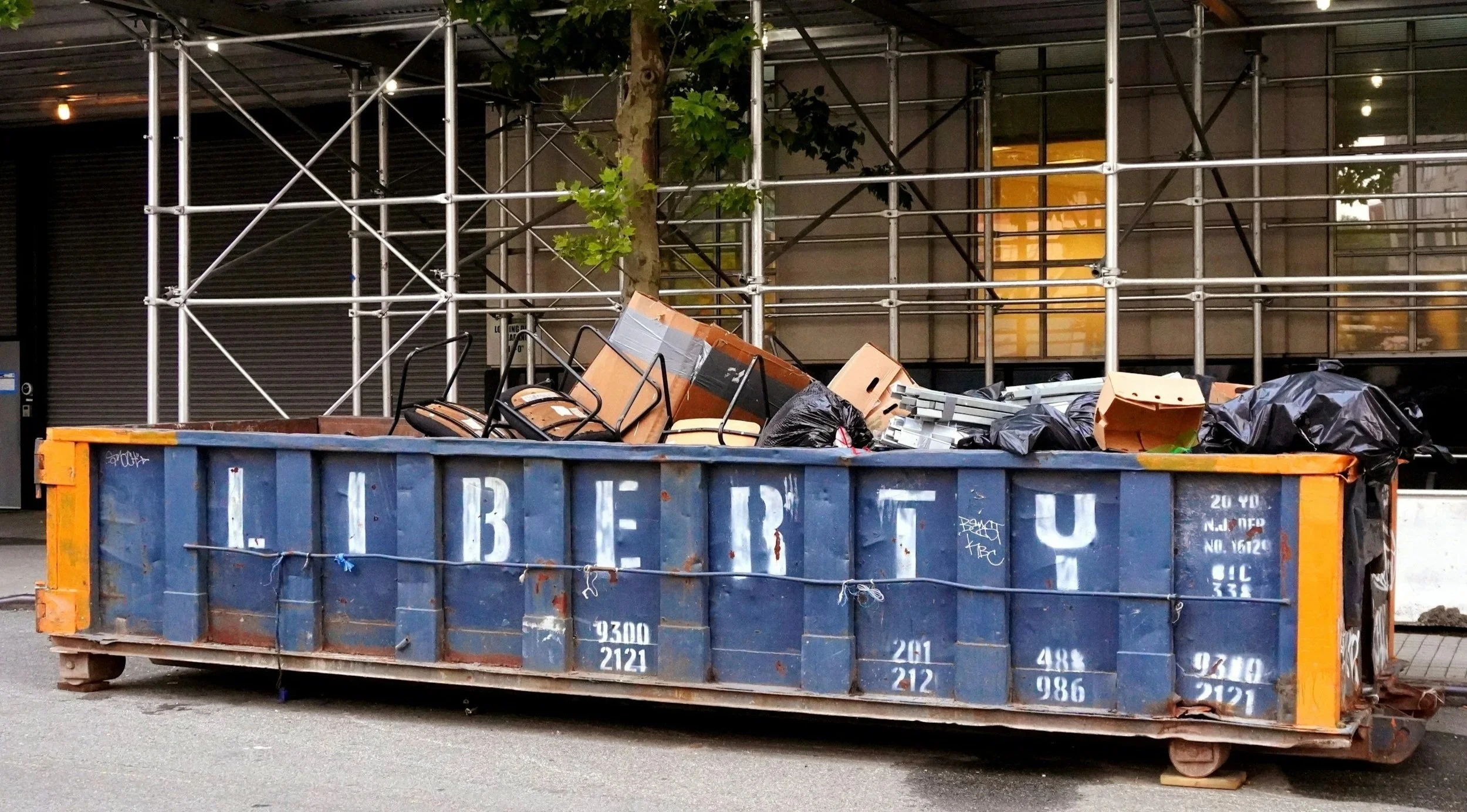
Why Dumpster Rules Matter
Dumpster rules are not just there to make things complicated. They help keep the rental process safe, legal, and efficient.
Certain materials can create problems during hauling, disposal, or processing. Some items may be dangerous to transport, while others may require special handling or separate disposal.
Knowing what can and cannot go in your dumpster helps you avoid pickup delays, extra fees, disposal issues, and safety concerns.
If you are ever unsure about an item, the best thing to do is call Trash Help North Florida at (352) 448-0809 before loading it.
What Can Go in a Dumpster?
Most standard cleanout and construction materials can usually go in a dumpster, as long as they are not hazardous or restricted.
Common accepted items may include:
Household junk
Furniture
Cabinets
Wood
Drywall
Flooring
Carpet
Doors
Trim
Siding
Yard debris
Construction debris
Renovation debris
Roofing debris
Old boxes
General clutter
Non-hazardous trash
Property cleanout debris
These materials are common for home cleanouts, remodeling projects, contractor jobs, property turnovers, estate cleanouts, and commercial cleanups.
If your project includes a mix of materials, let us know when requesting a quote so we can help recommend the right dumpster size.
Can Furniture Go in a Dumpster?
Yes, most furniture can usually go in a dumpster.
This may include:
Couches
Chairs
Tables
Dressers
Bed frames
Desks
Shelving
Cabinets
Patio furniture
Furniture can take up a lot of space, especially large couches, sectionals, mattresses, and bulky wood pieces. If you have a lot of furniture, you may need a larger dumpster than expected.
For bulky items, try breaking them down when possible. This helps you use the dumpster space more efficiently and avoid overfilling.
If you do not want to load the furniture yourself, our Junk Removal service may be a better fit.
Can Construction Debris Go in a Dumpster?
Yes, many types of construction and remodeling debris can go in a dumpster.
This may include:
Drywall
Wood
Flooring
Tile
Cabinets
Countertops
Doors
Trim
Siding
Fixtures
Packaging material
General jobsite debris
Construction debris can get heavy quickly, especially if the load includes tile, roofing shingles, concrete, brick, or other dense materials.
If you are a contractor or homeowner working on a renovation, let us know what type of debris you have before booking. This helps us recommend the right dumpster size and weight allowance for your project.
You can also visit our Dumpster Rental page to review available dumpster options.
Can Roofing Debris Go in a Dumpster?
Yes, roofing debris can usually go in a dumpster, but it is important to plan carefully because shingles and roofing materials are heavy.
Roofing debris may include:
Asphalt shingles
Underlayment
Wood decking
Roofing nails
Flashing
Packaging debris
Because roofing materials add weight fast, you should always mention that your project includes roofing debris when requesting a quote.
Even if the dumpster is not filled to the top, it may still become heavy. Choosing the right dumpster size and understanding the weight allowance can help avoid extra charges or pickup issues.
Can Yard Debris Go in a Dumpster?
Yes, yard debris can often go in a dumpster, depending on the type and amount.
Common yard debris may include:
Branches
Leaves
Brush
Grass clippings
Small logs
Shrubs
Landscaping debris
Large amounts of tree debris, storm debris, or land-clearing material may require a different solution, such as a larger dumpster, grapple truck service, or a separate hauling option.
If you have a large outdoor cleanup, send photos or describe the material before booking so we can recommend the best option.
What Cannot Go in a Dumpster?
Some materials should not be placed in a dumpster because they may be hazardous, restricted, or require special disposal.
Common restricted items may include:
Tires
Batteries
Paint
Chemicals
Fuel
Gasoline
Oil
Propane tanks
Hazardous waste
Medical waste
Pesticides
Liquids
Asbestos
Certain electronics
Appliances with refrigerant
Flammable materials
Disposal rules can vary depending on the material and location. If you are unsure about an item, do not load it yet. Call Trash Help North Florida first so we can guide you.
Can Paint Go in a Dumpster?
Paint is usually restricted and should not be placed in the dumpster without checking first.
Liquid paint can spill, leak, or create disposal issues. Some disposal facilities may have specific rules for paint, especially oil-based paints or large quantities.
If you have paint cans, contact us before loading them. We can help you understand whether they can be accepted or if they need to be handled separately.
Can Tires Go in a Dumpster?
Tires are commonly restricted and may not be accepted in standard dumpster loads.
Tires often require separate disposal because they are handled differently at disposal facilities. Loading tires into a dumpster without approval may create extra fees or disposal problems.
If your cleanup includes tires, let us know before booking so we can help you find the best option.
Can Batteries Go in a Dumpster?
No, batteries should not be placed in a dumpster.
Batteries can create safety risks and may require special recycling or disposal. This includes car batteries, large rechargeable batteries, and other battery types that may be considered hazardous.
If you have batteries to dispose of, ask about safe disposal options before loading.
Can Chemicals or Hazardous Waste Go in a Dumpster?
No. Chemicals, hazardous waste, fuel, pesticides, solvents, and similar materials should not go in a dumpster.
These items can be dangerous to transport and may create health, safety, and environmental concerns. Hazardous materials usually require special disposal through approved facilities or programs.
If you have hazardous waste, do not place it in the dumpster. Contact your local waste authority or ask us for guidance.
Can Appliances Go in a Dumpster?
Some appliances may be accepted, but others require special handling.
Appliances that may contain refrigerants, such as refrigerators, freezers, air conditioners, and certain cooling units, may have specific disposal requirements.
Other appliances, such as washers, dryers, ovens, and dishwashers, may be handled differently depending on local rules and the disposal facility.
If your cleanup includes appliances, tell us what items you have before booking. We can help determine the best way to remove them.
Can Electronics Go in a Dumpster?
Some electronics may be restricted depending on the item and local disposal rules.
Items like televisions, computer monitors, printers, and certain electronic devices may need special handling or recycling.
If you have electronics, especially large quantities, check with us before placing them in the dumpster.
Can Concrete, Dirt, or Heavy Material Go in a Dumpster?
Heavy materials may be allowed, but they must be planned carefully.
Concrete, dirt, brick, tile, roofing shingles, and similar materials can become very heavy even when they do not fill the dumpster completely.
If your project includes heavy debris, tell us before booking. We may recommend a specific dumpster size, load limit, or separate disposal solution.
This helps avoid overweight issues and keeps the pickup process safe.
What Happens If Restricted Items Are Loaded?
If restricted items are placed in the dumpster, it can create problems during pickup or disposal.
Depending on the item, you may need to remove it before the dumpster can be hauled. In some cases, additional fees may apply if restricted materials are found in the load.
The best way to avoid this is simple: ask before loading.
If you are not sure whether something is allowed, call Trash Help North Florida at (352) 448-0809.
How to Load Your Dumpster Safely
Once you know what can go inside, loading the dumpster properly is just as important.
Here are a few simple loading tips:
Keep all debris level with the top of the dumpster.
Do not let items hang over the sides.
Break down bulky items when possible.
Place heavier items evenly throughout the dumpster.
Avoid loading restricted materials.
Keep walkways and access areas clear.
Stop loading once the debris reaches the rim.
Call if you need a pickup, swap, or dump-and-return.
Proper loading helps keep your rental safe, efficient, and ready for pickup.
Dumpster Rental or Junk Removal: Which Is Better?
If you want to load the debris yourself over several days, a dumpster rental is usually the best choice.
If you want someone else to handle the lifting, loading, and hauling, junk removal may be the better option.
For some projects, you may need both. For example, a property cleanout may require a dumpster for general debris and junk removal for heavy furniture or bulky items.
You can visit our Junk Removal page to learn more about full-service removal options.
Dumpster Rental Across North Florida
Trash Help North Florida provides dumpster rental, junk removal, and debris hauling services across North Florida.
Our service areas include communities such as:
Lake City
Live Oak
Gainesville
Macclenny
Starke
Surrounding North Florida areas
We also serve counties such as Suwannee County, Columbia County, Baker County, Union County, Bradford County, Alachua County, and Gilchrist County.
Visit our Service Areas page to learn more about where we work.
Need Help Before You Load?
If you are unsure whether an item can go into your dumpster, we are happy to help.
Before loading questionable materials, call Trash Help North Florida at (352) 448-0809 or visit our Contact page to request help.
A quick question before loading can save time, avoid extra fees, and keep your project moving smoothly.
Let’s talk trash.
